Share this article
Going Freelance in the UK: A Saffa’s Guide to HMRC and Taxes
Moving from employee to self-employed? Learn how to register with HMRC, handle your Self Assessment, and keep compliant records without the stress.
Key Takeaways
- ✓ Register for Self Assessment with HMRC if your self-employed income exceeds £1,000 in a tax year.
- ✓ The deadline to register is 5 October following the end of the tax year you started trading.
- ✓ File your online tax return and pay any tax owed by 31 January each year.
- ✓ Keep all business records for at least five years after the 31 January submission deadline.
- ✓ Be aware of 'payments on account' to avoid cash flow surprises in your second year.
Making the leap to self-employment in the UK is an exciting step, but it brings a shift in how you handle your finances. Unlike back home where PAYE is handled by your employer, here you are the boss of your own tax affairs.
This guide covers the essentials of registering with HMRC, meeting your deadlines, and keeping the records you need to stay on the right side of the taxman. Whether you are consulting, freelancing, or starting a side hustle, getting these basics sorted early will save you a lot of headaches later.
Registering as a Sole Trader

If you earn more than £1,000 from self-employment in a tax year (6 April to 5 April), you must register as a sole trader with HMRC. You do this by registering for Self Assessment.
- Create a Government Gateway account on GOV.UK.
- Provide your National Insurance number and business details.
- Once processed, HMRC will send you a 10-digit Unique Taxpayer Reference (UTR) by post.
You must register by 5 October in your business’s second tax year. For example, if you started trading in the 2026/27 tax year, you have until 5 October 2027 to register. However, it is often easier to register as soon as you start. Even if you earn under £1,000, registering can be beneficial if you want to make voluntary National Insurance contributions to protect your State Pension.
Key Tax Deadlines
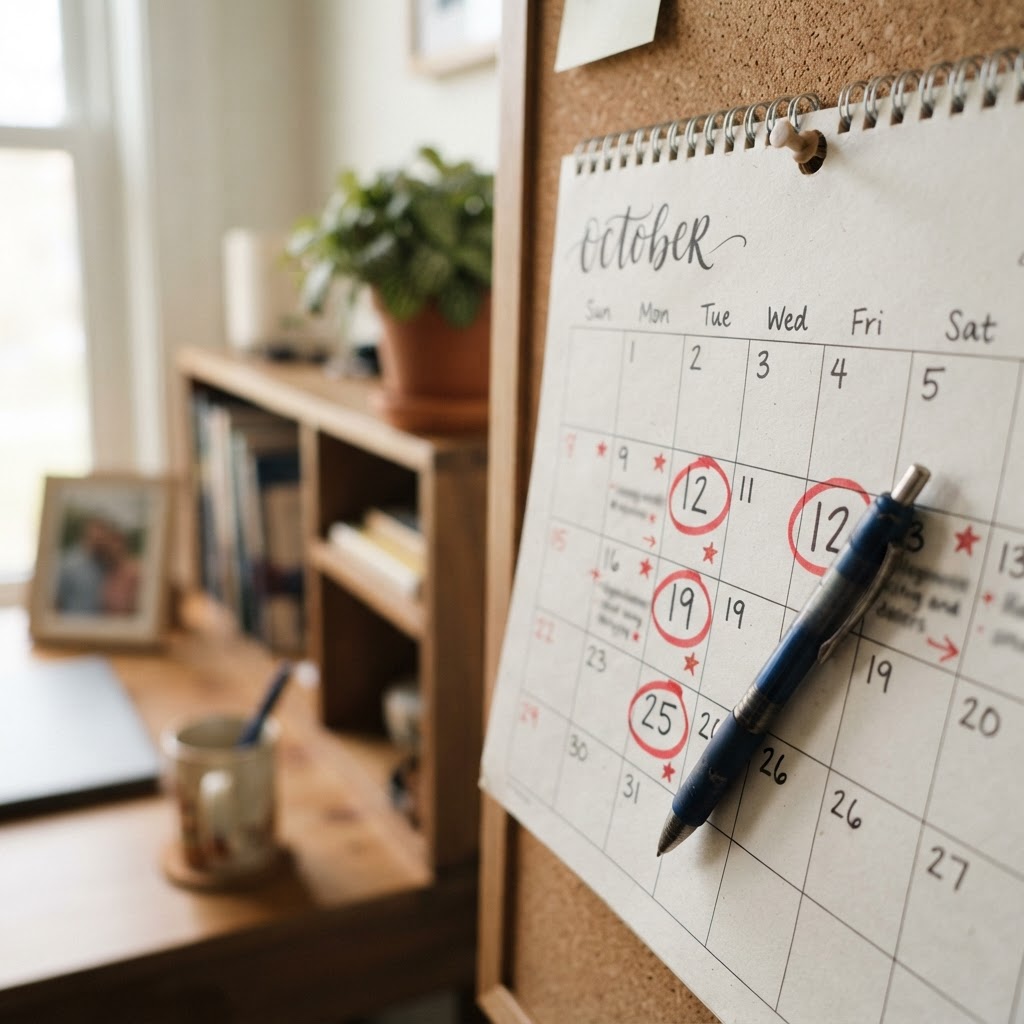
The UK tax year runs from 6 April to 5 April. You must file your Self Assessment tax return and pay any tax owed by 31 January following the end of the tax year.
- 31 October: Deadline for paper tax returns (though most people file online).
- 31 January: Deadline for online tax returns and paying your tax bill.
- 31 July: Second 'payment on account' deadline (if applicable).
If your tax bill is over £1,000, HMRC requires 'payments on account'. These are advance payments towards your next year's tax bill, split into two installments (31 January and 31 July). This can catch many new freelancers by surprise, so try to set aside a portion of your income throughout the year to cover these payments. Missing a deadline results in an immediate £100 fine, with further penalties for continued delays.
Keeping Your Records
HMRC does not mandate a specific system, but you must keep clear records of all money coming in and going out. This is not just for tax; it is a legal requirement.
- Income: Sales invoices, bank statements, and records of cash takings.
- Expenses: Receipts for materials, tools, travel, and professional subscriptions.
- Bank: Business bank statements and credit card statements.
Keep these records for at least five years after the 31 January submission deadline for the relevant tax year. For example, for the 2025/26 tax year (due 31 January 2027), you must keep records until 31 January 2032. Many accountants recommend keeping them for six years just to be safe. If you are using digital accounting software, ensure you back up your data in at least two places. Taking photos of paper receipts as soon as you receive them is a simple way to stay organised.
Allowable Expenses
You only pay tax on your profit, which is your total income minus your allowable business expenses. Claiming these correctly can significantly reduce your tax bill.
- Equipment: Laptops, software subscriptions, and specialist tools.
- Office costs: Stationery, printing, and a business proportion of your phone or internet bills.
- Travel: Mileage (45p per mile for the first 10,000 miles), train fares, and parking for client meetings.
Remember, you cannot claim for personal expenses or your daily commute to a regular place of work. If you work from home, you may be able to claim a proportion of your utility bills. Always keep the receipt or invoice for every expense you claim. If HMRC opens a compliance check, you will need to prove that the expense was incurred wholly and exclusively for your business.
Pro Tips
Separate your bank accounts
Open a dedicated business bank account, even if you are a sole trader. It makes reconciling your income and expenses much easier and prevents your personal spending from cluttering your business records.
Use accounting software
Tools like Xero, QuickBooks, or FreeAgent can automate much of your bookkeeping. They often allow you to scan receipts directly into the app, saving you from keeping a shoebox full of paper.
Budget for your tax bill
A good rule of thumb is to set aside 25-30% of every invoice you receive into a separate 'tax savings' account. This ensures you have the cash ready when your bill is due, avoiding any last-minute panic.
Frequently Asked Questions
Do I need to register if I have a full-time job and a side hustle?
Yes, if your self-employed income from your side hustle exceeds £1,000 in a tax year, you must register for Self Assessment. You will report both your PAYE employment income and your self-employed profit on the same tax return.
What happens if I miss the 31 January deadline?
You will face an immediate £100 penalty for filing late. If you continue to delay, further penalties and interest on the unpaid tax will accrue, so it is always better to file as early as possible.
Can I claim for my home office?
Yes, you can claim a proportion of your household bills (like heating, electricity, and internet) if you work from home. You must calculate this based on the time spent working and the space used for business purposes.
What is the 'trading allowance'?
The trading allowance is a tax exemption that allows you to earn up to £1,000 in self-employed income tax-free. If your gross income is below this amount, you generally do not need to register with HMRC.
Keep exploring
All stories and practical guidesSources and review
Reviewed 17/11/2026
Rules and eligibility can change. Check the linked official guidance for your circumstances before acting.
Report incorrect information
Free email · no account needed
More like this, straight to your inbox
A weekly round-up of new stories, what's on, and Boks, Proteas and Bafana fixtures with UK times and channels. Free.
Weekly highlights · Customise frequency and interests
Customise interests and email types
Your interests
One weekly round-up when there is approved content. No individual match reminders. Account and RSVP confirmations are separate.
Email only, unsubscribe any time. Privacy notice
OK to count visits with Google Analytics? It stores an ID on your device. The site works the same either way. More about this
Have your say
No account needed — say your bit and post. Disagreement welcome; abuse gets removed.
Nobody has said anything yet. Go on.