
Share this article
Navigating the UK School System: A Saffa Parent’s Guide
Moving to the UK with kids? Learn how to map SA grades to UK years, understand catchment areas, and interpret Ofsted reports to find the right school.
Key Takeaways
- ✓ UK school years are determined strictly by date of birth, not by the grade completed in South Africa.
- ✓ The school year runs from September to July, with the cut-off date for age being 1 September.
- ✓ Catchment areas are not guaranteed; they are dynamic and change based on annual demand and distance.
- ✓ Ofsted reports are snapshots; always check the inspection date and whether the school is using the old or new reporting system.
Moving your family to the UK brings a unique set of administrative hurdles, and the school system is often the most daunting. Unlike the South African system, where your child’s grade is the primary identifier, the UK system is built entirely around age and the 1 September cut-off date.
This guide breaks down how to translate your child’s schooling history into the UK framework, how to approach the application process, and how to look past the headlines when researching potential schools for your children.
Mapping SA Grades to UK Years

In the UK, your child’s year group is determined by their age on 1 September. If your child turns 11 between 1 September and the following 31 August, they will be in Year 7. Because the UK school year starts in September and ends in July, it does not align perfectly with the South African January-to-December calendar.
- Use the 1 September cut-off: A child born on 31 August is in a different year group than one born on 1 September.
- Ignore the SA grade: UK schools will not place a child based on the grade they finished in South Africa. They look at the date of birth to ensure the child is with their age-appropriate peers.
- The 'Year' shift: Generally, a child in SA Grade 4 will move into Year 5 in the UK, but always verify this using your local council’s official year group table, as individual circumstances can vary.
Understanding Catchment Areas
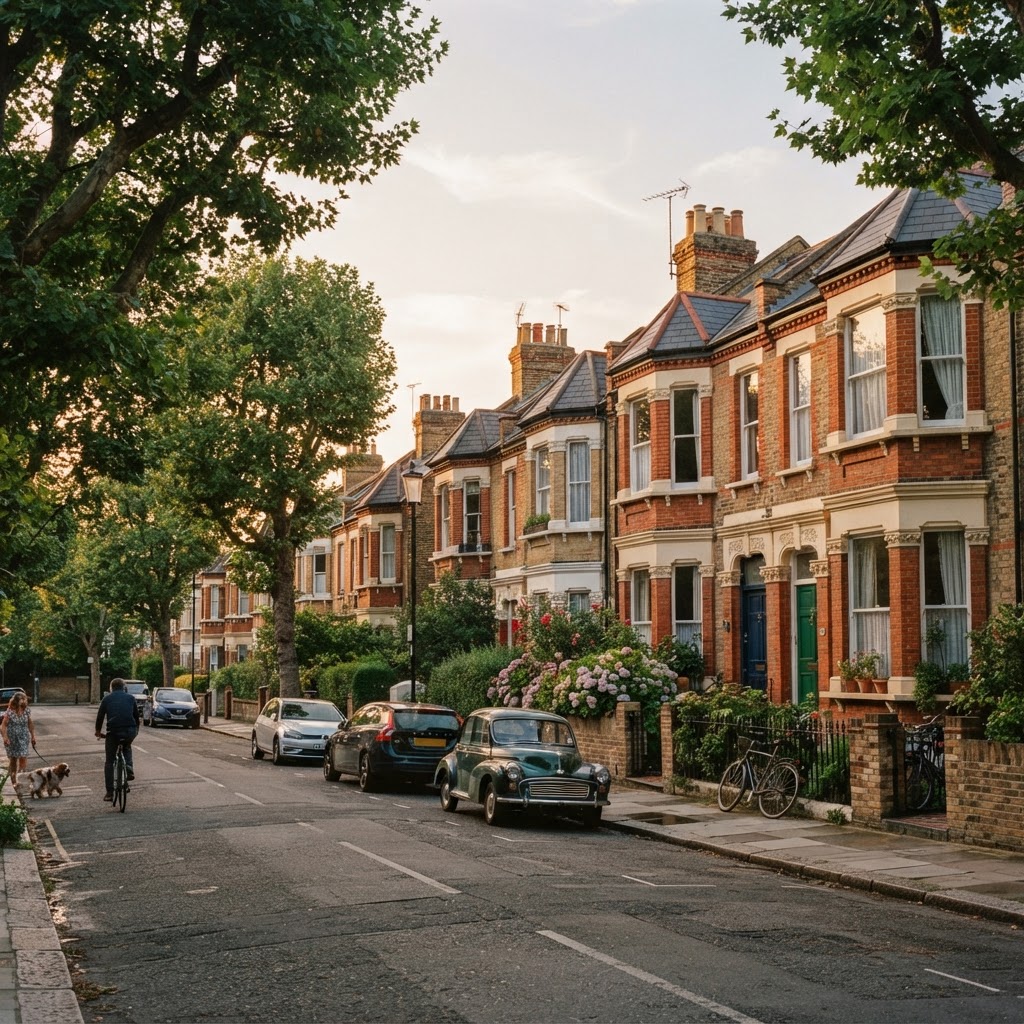
A common misconception is that living within a school’s 'catchment area' guarantees a place. In reality, catchment areas are often just a guide. Schools use oversubscription criteria to rank applicants, and distance from the school is usually the final tie-breaker.
- Dynamic boundaries: The 'effective' catchment area changes every year based on how many children apply and where they live. A house that was inside the cut-off distance last year might be outside it this year.
- Check the council: Always visit your local council’s website to see the admissions policy for specific schools. They publish the 'last distance offered' for previous years, which gives you a realistic idea of your chances.
- Renting first: Many families choose to rent in a specific area before buying to ensure they are within the catchment of their preferred school, as applications are often processed based on your address at the time of the deadline.
Decoding Ofsted Reports
Ofsted is the body that inspects schools in England. As of late 2026, the system is in transition. Some schools still display the old 'Outstanding' or 'Good' labels, while others have moved to the new 'report card' system.
- Check the date: An inspection report is a snapshot of a single day. If a report is several years old, it may not reflect the current leadership or performance of the school.
- Read the detail: Don't just look at the headline grade. The report details specific areas like 'personal development' and 'inclusion'. A school that 'requires improvement' in one area might be excellent in another that matters more to your child’s specific needs.
- Use Parent View: Ofsted maintains an online portal called 'Parent View' where you can see feedback from current parents. This is often more useful for day-to-day insights than the formal inspection report itself.
The Application Process
For state schools, you apply through your local council using a Common Application Form (CAF). If you are moving from South Africa, you will likely be making an 'in-year application' if you arrive outside the standard September intake.
- In-year applications: If you are moving mid-term, you often apply directly to the school or through the council’s in-year portal. Check the council website for the specific process in your area.
- Be prepared: Have your child’s birth certificate, proof of address (such as a tenancy agreement or utility bill), and any relevant school reports from South Africa ready.
- Appeals: If you are refused a place at your preferred school, you have the right to appeal. The process is formal and requires you to state your case to an independent panel, so keep all correspondence from the council and the school.
Pro Tips
Visit schools in person
Never rely solely on online data. Book a tour to see the school during the day; the atmosphere and how the staff interact with students will tell you more than any report.
Check the council website
Your local council’s admissions page is the only source of truth for your specific area. Bookmark it and check for updates on application deadlines, which are strictly enforced.
Look for local parent groups
Join local Facebook groups for parents in your specific town or borough. They often provide the most honest, up-to-date information on school culture and local reputation.
Frequently Asked Questions
Can I apply for a school before I have a UK address?
Most councils require a UK address to process an application. You will typically need to provide proof of residency, such as a signed tenancy agreement, before they will allocate a place.
Does my child need to repeat a year?
It is rare for children to repeat a year in the UK. They are almost always placed in the year group corresponding to their age, regardless of the grade they completed in South Africa.
Are private schools different?
Yes, private (independent) schools set their own admissions criteria and do not follow the council’s catchment area rules. You apply to them directly, and they often have their own entrance assessments.
What if I don't get into my preferred school?
You will be offered a place at the next nearest school with availability. You can also join the waiting list for your preferred school and exercise your right to appeal the decision.
Keep exploring
- Finding and Renting a Home in the UK: A Saffa’s Guide
- Getting Your SA Qualifications Recognised in the UK: A Practical Guide
- The Ultimate Guide to Moving from South Africa to the UK in 2026
Sources and review
Report incorrect information

Free email · no account needed
More like this, straight to your inbox
A weekly round-up of new stories, what's on, and Boks, Proteas and Bafana fixtures with UK times and channels. Free.
Weekly highlights · Customise frequency and interests
Customise interests and email types
Your interests
One weekly round-up when there is approved content. No individual match reminders. Account and RSVP confirmations are separate.
Email only, unsubscribe any time. Privacy notice
OK to count visits with Google Analytics? It stores an ID on your device. The site works the same either way. More about this
Have your say
No account needed — say your bit and post. Disagreement welcome; abuse gets removed.
Nobody has said anything yet. Go on.