
Share this article
Surviving Your First British Winter: A Saffa’s Survival Guide
Don't let the British winter catch you off guard. Learn how to manage heating costs, tackle damp, and keep your spirits high when the sun sets at 4pm.
Key Takeaways
- ✓ Check your post for the £150 Warm Home Discount confirmation letter.
- ✓ Heat the person, not the home, by using blankets and hot water bottles.
- ✓ Ventilate your home daily to prevent condensation and mould growth.
- ✓ Take a daily Vitamin D supplement from October to March.
- ✓ Prioritise outdoor time during daylight hours to boost your mood.
If you have just arrived from South Africa, the British winter is a different beast entirely. It is not just the cold; it is the relentless grey and the early sunset that can catch you off guard. As of October 2026, energy prices remain a significant concern, and the damp climate requires a proactive approach to maintaining your living space.
This guide covers the essentials of keeping your home warm without breaking the bank, managing the common issue of damp in rented properties, and ensuring your health and spirits stay intact until the spring thaw.
Managing Heating and Energy Bills

Energy costs are a major focus this winter. As of late October 2026, households in England and Wales should check their mail for a letter confirming their eligibility for the £150 Warm Home Discount. This is a one-off reduction on your electricity bill, so keep an eye on your doormat.
To keep daily costs down, follow the 'heat the human, not the home' mantra. Instead of cranking up the central heating for the entire house, focus on warming yourself. Use hot water bottles, thermal layers, and thick blankets. If you are working from home, consider a heated throw or a small electric foot warmer rather than heating an entire room. If you have a smart meter, use it to track your daily usage; it is a real eye-opener for identifying where you can cut back. Always ensure your home stays at a reasonable temperature to prevent pipes from freezing, but be mindful of leaving radiators on in unused rooms.
Tackling Damp and Mould
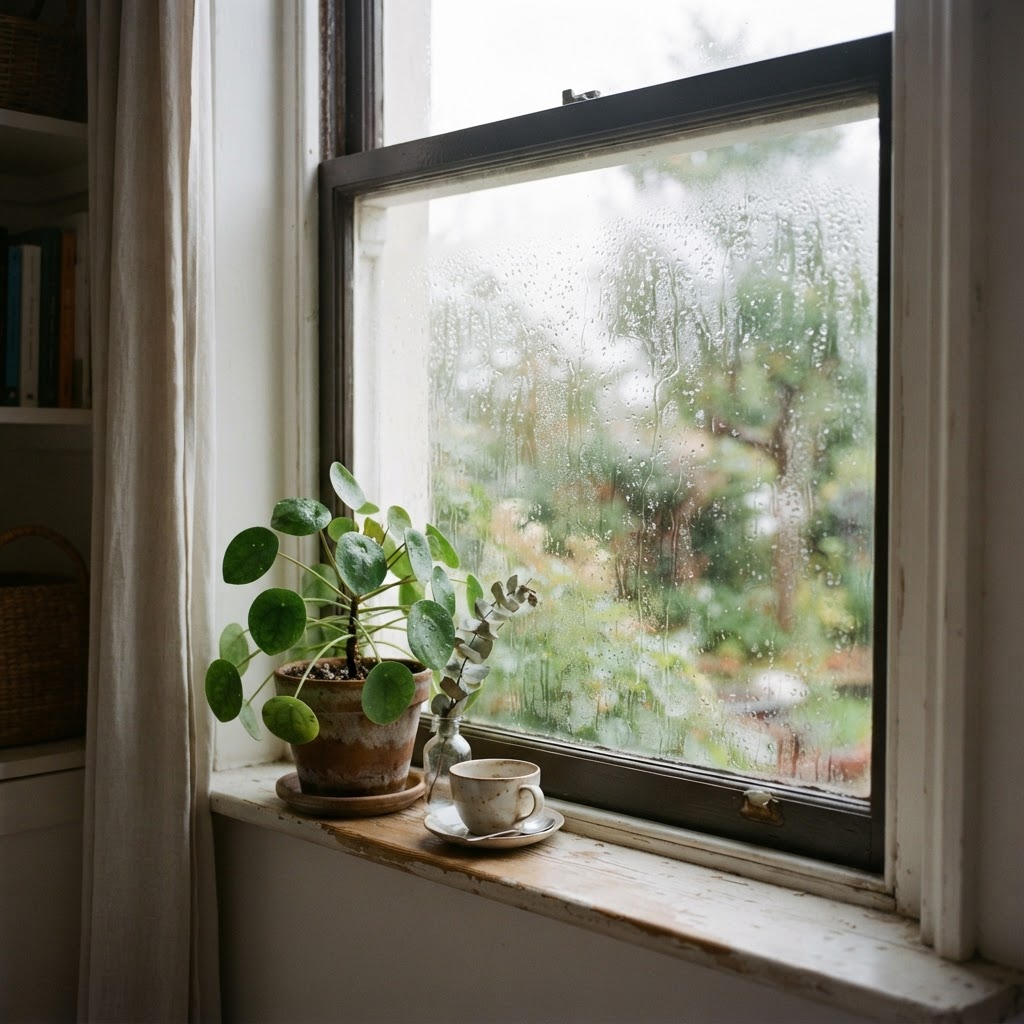
British homes, especially older ones, are prone to condensation. When warm, moist air hits cold surfaces like windows or external walls, it turns into water, which leads to mould. If you are renting, you have rights, but you also have a responsibility to ventilate.
- Open windows for a few minutes each day to let fresh air circulate, even when it is cold.
- Use extractor fans in the bathroom and kitchen religiously.
- If you must dry clothes indoors, use a dehumidifier or a heated airer in a room with the door closed and a window slightly ajar.
If you spot mould, clean it with appropriate products while wearing gloves and a mask. If the problem persists despite your best efforts, it may be a structural issue. Under UK housing standards, your landlord is responsible for repairs related to damp and mould caused by building defects. Document everything with photos and dates, and if your landlord is unresponsive, contact your local council’s environmental health department for guidance.
Vitamin D and Health
In the UK, the sun is not strong enough between October and March for your body to produce sufficient Vitamin D. This is particularly relevant for those with darker skin tones, who may need to be even more vigilant. The NHS recommends that everyone considers taking a daily supplement of 10 micrograms (400 IU) during these months.
While you can get some Vitamin D from foods like oily fish, egg yolks, and fortified cereals, it is difficult to reach the recommended levels through diet alone. Do not wait until you feel run down to start. Pop into any local pharmacy or supermarket to pick up a supply. If you have specific health concerns or symptoms of deficiency, speak to your GP, who can advise on whether a blood test is necessary. Staying healthy is your first line of defence against the winter blues.
Keeping Your Spirits Up
The 4pm sunset is the biggest adjustment for most South Africans. When it gets dark early, it is easy to feel like the day is over, which can lead to lethargy. The trick is to lean into the season rather than fighting it.
Make the most of the limited daylight by getting outside during your lunch break. Even a 15-minute walk in the crisp air can make a massive difference to your mood. If you find the darkness particularly difficult, consider a SAD (Seasonal Affective Disorder) lamp, which mimics natural sunlight. Keep your home well-lit in the evenings with warm-toned lamps to create a 'hygge' environment. Plan social activities that don't rely on being outdoors, such as visiting museums, trying new recipes, or joining local community groups. Remember, this is just a season—it will pass, and the long summer evenings will return before you know it.
Pro Tips
Use a heated airer
A heated airer is far more energy-efficient than a tumble dryer. It dries clothes quickly and acts as a gentle space heater for the room.
Seal your window gaps
Buy a roll of self-adhesive foam draught excluder tape from a hardware store. Applying this to window frames can stop cold air from whistling through.
Layer your clothing
Invest in good quality thermal base layers. They are thin enough to wear under normal clothes but make a huge difference when you are out and about.
Frequently Asked Questions
Is it normal for my windows to have water on them in the morning?
Yes, this is condensation caused by the temperature difference between inside and outside. Wipe it off with a cloth each morning to prevent mould from forming on the frames.
Can I refuse to pay for heating if my rental home is damp?
No, you must continue to pay your rent and bills. If the damp is caused by a structural issue, report it to your landlord in writing and follow the formal repair process.
Where can I get Vitamin D supplements?
You can buy them at any supermarket, pharmacy, or health food store. They are very affordable and widely available in the 'vitamins' aisle.
What is the Warm Home Discount?
It is a government scheme that provides a one-off £150 discount on electricity bills for eligible low-income households. Check the GOV.UK website to see if you qualify.
Keep exploring
- Money and Credit in the UK: A Saffa’s Guide to Getting Started
- NHS, GPs and Dentists: A Saffa’s Guide to UK Healthcare
- Building Your UK Career: A Practical Guide for South Africans
Sources and review
Report incorrect information

Free email · no account needed
More like this, straight to your inbox
A weekly round-up of new stories, what's on, and Boks, Proteas and Bafana fixtures with UK times and channels. Free.
Weekly highlights · Customise frequency and interests
Customise interests and email types
Your interests
One weekly round-up when there is approved content. No individual match reminders. Account and RSVP confirmations are separate.
Email only, unsubscribe any time. Privacy notice
OK to count visits with Google Analytics? It stores an ID on your device. The site works the same either way. More about this
Have your say
No account needed — say your bit and post. Disagreement welcome; abuse gets removed.
Nobody has said anything yet. Go on.